Building a TMS for Small Logistics Companies
5 min read
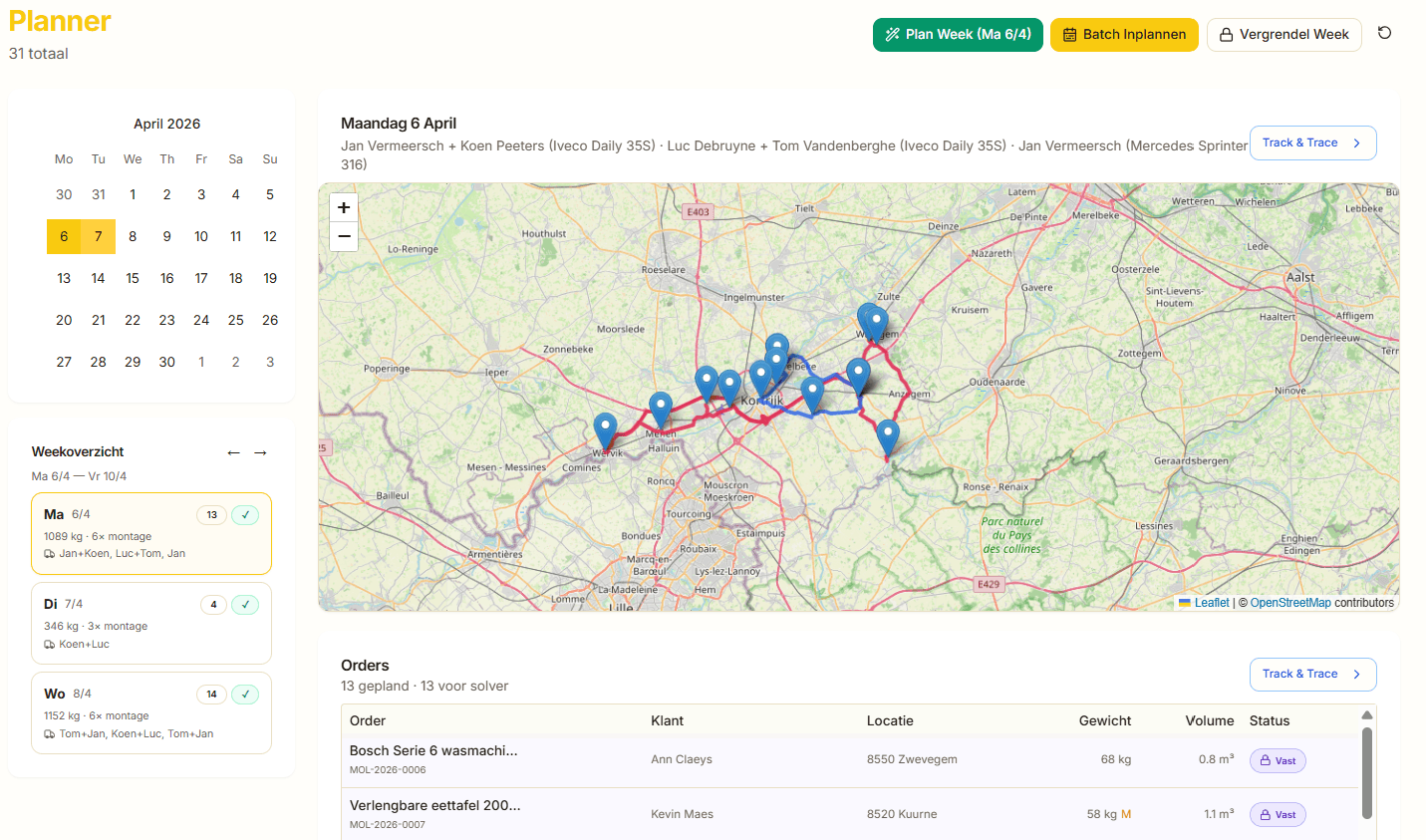
Most transport management systems are built for enterprises with dedicated IT teams and six-figure budgets. But what about the logistics company with 15 trucks and one dispatcher?
The Problem
Smaller businesses often end up with a patchwork of Excel sheets, WhatsApp groups, and gut feeling. Route optimisation? That's the driver who "knows the roads." Load planning? That's whoever can play Tetris the best.
The real challenge isn't just building a TMS — it's building one that's simple enough to adopt without training, yet powerful enough to actually optimise routes for fleets carrying products with wildly different dimensions.
The Approach
I focused on three things:
- Dead simple onboarding — No 3-day workshops. If you can use Google Maps, you can use this.
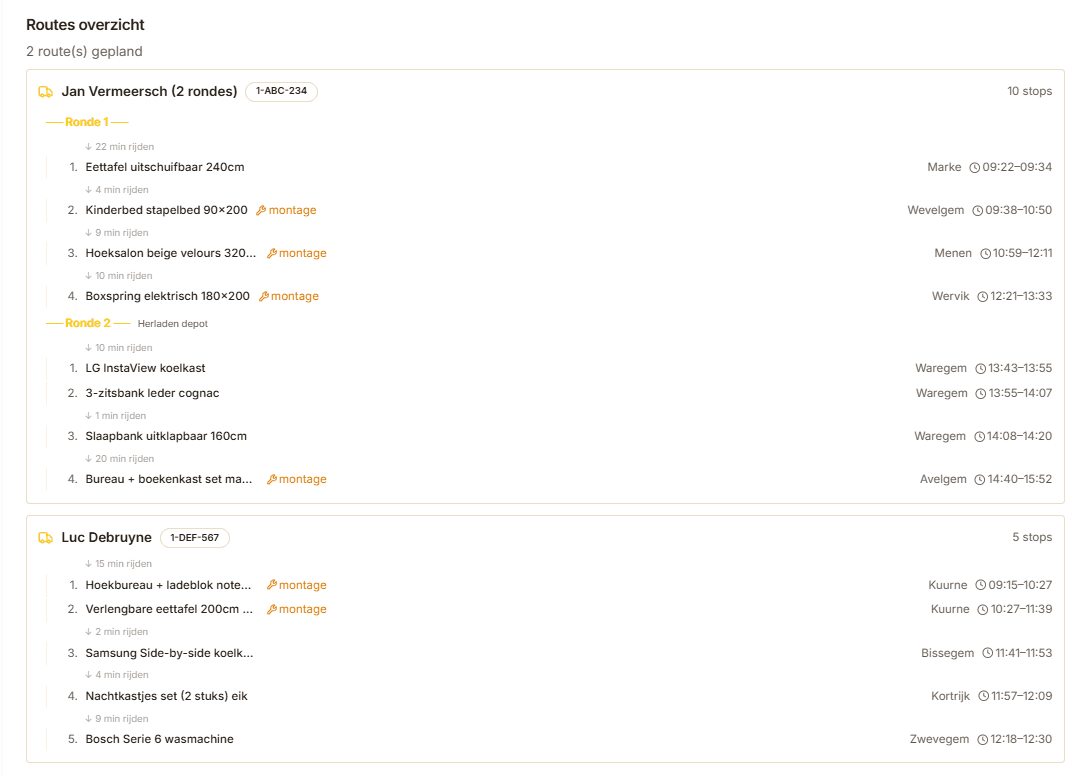
- Smart route optimisation — Accounting for vehicle capacity, product dimensions, time windows, and traffic patterns.
- Real-time visibility — A live dashboard that shows where every truck is and whether it's on schedule.
Technical Stack
The frontend is built with Next.js and TypeScript. The route optimisation engine runs in Python, using a combination of custom algorithms and constraint programming. Data lives in PostgreSQL with PostGIS for geospatial queries.
What I Learned
Building for small teams means every feature has to earn its place. There's no room for complexity that doesn't directly save time or money. That constraint made the product better.